道の声 Michi no Koe Home

Category

Martial Disciplines & Wellness

17 articles

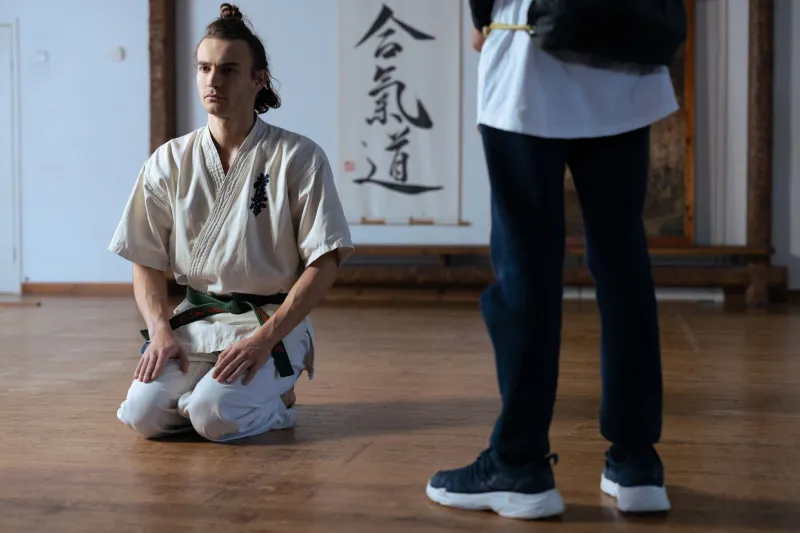
The River Within: How Japanese Martial Body Philosophy Is Transforming American Sports Medicine

The River Within: How Japanese Martial Body Philosophy Is Transforming American Sports Medicine

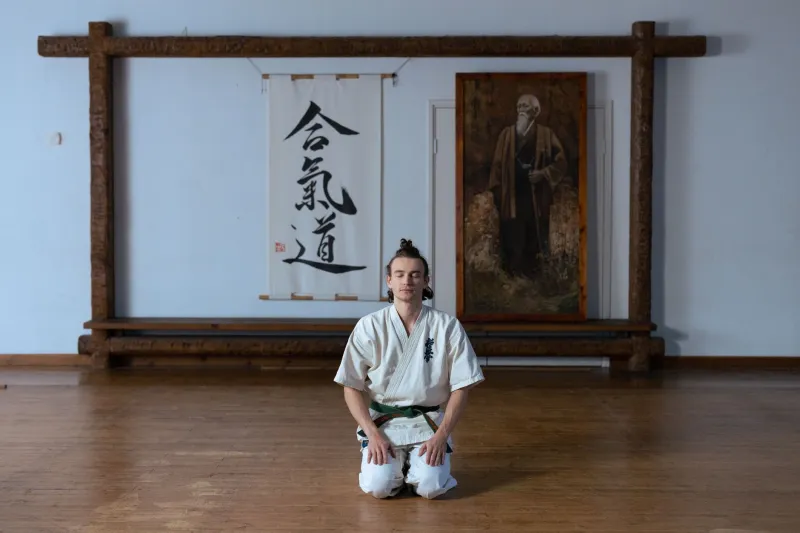
Western biomechanics has long treated the body as a sophisticated machine—a system of levers, loads, and measurable forces. Traditional Japanese martial arts offer a fundamentally different framework, one that understands the body as a landscape of flowing energy and structural intelligence. A growing number of American athletes, physical therapists, and coaches are discovering that this ancient perspective holds surprisingly practical answers to the modern epidemic of sports injury.

The Eloquence of Omission: How Japanese Conversational Restraint Is Quietly Mending American Relationships

The Eloquence of Omission: How Japanese Conversational Restraint Is Quietly Mending American Relationships

American relationship culture has long operated under the assumption that more communication is always better—that the solution to disconnection is fuller disclosure. A growing number of therapists are now drawing on Japanese principles of purposeful silence and strategic omission to help burned-out couples rediscover the intimacy that over-communication can inadvertently dissolve.

The Sacred Uncertainty: How Japanese Mondō Teaches American Learners to Trust the Question Over the Answer

The Sacred Uncertainty: How Japanese Mondō Teaches American Learners to Trust the Question Over the Answer

In Japan's oldest teaching traditions, a student who arrives with ready answers is regarded with gentle suspicion. The practice of mondō—structured dialogue rooted in disciplined doubt—holds that genuine mastery begins not with certainty, but with the courage to remain productively unsure. American practitioners of martial arts, yoga, and contemplative disciplines are now discovering what Japanese masters have long understood: that the well-formed question is itself a form of wisdom.

Releasing the Grip: What Japanese Surrender Teaches High-Achieving Americans About the Art of Letting Goals Find You

Releasing the Grip: What Japanese Surrender Teaches High-Achieving Americans About the Art of Letting Goals Find You

In a culture that prizes relentless self-optimization, the Japanese concepts of te-ire and mushin offer a startling proposition: that loosening your grip on outcomes may be the most powerful move available to you. This is not the philosophy of giving up — it is the discipline of allowing, and it is quietly transforming how ambitious Americans relate to their own striving.

Before You Can Break the Form, You Must Become It: What Shu-Ha-Ri Teaches America About the Poverty of Modern Mentorship

Before You Can Break the Form, You Must Become It: What Shu-Ha-Ri Teaches America About the Poverty of Modern Mentorship

In Japan's oldest training traditions, mastery is not a destination but a relationship — one that unfolds across three distinct stages of surrender, inquiry, and liberation. As American organizations grapple with shallow mentorship models and rapid employee turnover, a quiet movement is drawing on the ancient apprenticeship philosophy of shu-ha-ri to rebuild something that spreadsheets cannot measure: the transmission of living wisdom.

Ripening on Its Own Time: What Japan's Ancient Sense of Timing Teaches America About the Cost of Hurrying

Ripening on Its Own Time: What Japan's Ancient Sense of Timing Teaches America About the Cost of Hurrying

In a culture engineered for immediacy, a quiet counter-movement is emerging among American professionals who are turning to traditional Japanese philosophies of natural timing and seasonal patience. From agricultural wisdom rooted in the old lunar calendar to the martial concept of ma-ai — the precise, unhurried interval between action and readiness — these ideas are offering a profound alternative to the relentless demand for rapid results. What Japan has long understood about the way things ri

Light Through Leaves: How the Japanese Concept of Komorebi Is Transforming Trauma Recovery in America

Light Through Leaves: How the Japanese Concept of Komorebi Is Transforming Trauma Recovery in America

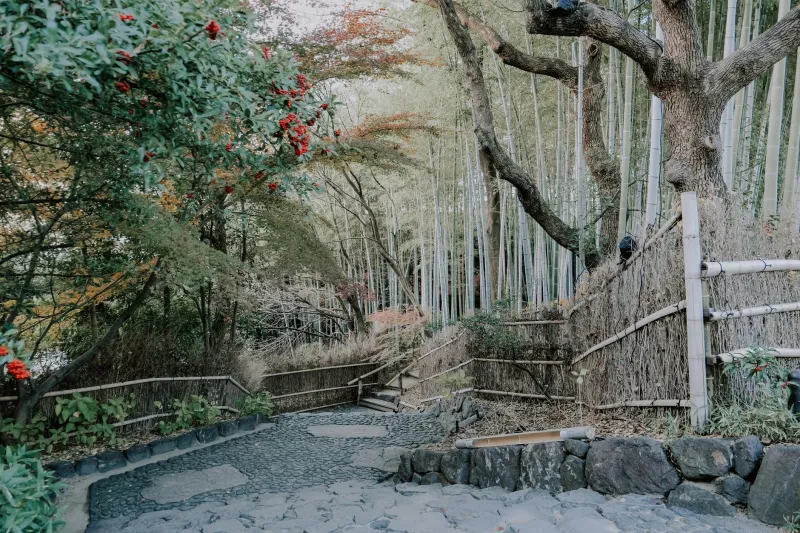
Beneath the canopy of American forests, a Japanese aesthetic philosophy is quietly rewriting the protocols of trauma therapy and corporate burnout recovery. The concept of komorebi—the particular quality of sunlight as it fractures through leaves—is proving to be more than poetic observation. Researchers and clinicians are discovering that this singular visual phenomenon may hold a neurological key that generic nature exposure simply cannot turn.

When Silence Becomes Sound: The Ancient Japanese Art of Deep Listening and Its Place in American Wellness

When Silence Becomes Sound: The Ancient Japanese Art of Deep Listening and Its Place in American Wellness

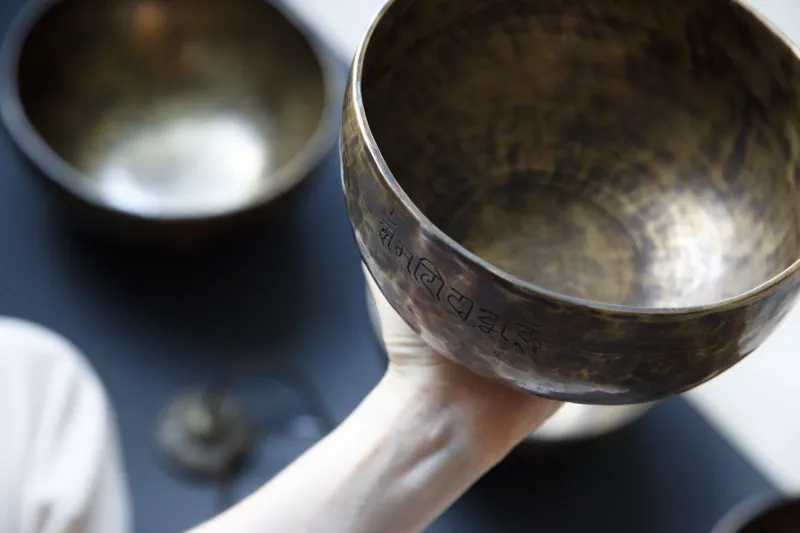
Across the United States, a quiet revolution in stress relief is drawing from one of Japan's most contemplative traditions: the disciplined, philosophical practice of listening itself. Rooted in onkyodo and the sonic aesthetics of classical Japanese culture, intentional sound immersion is offering Americans something algorithms and playlists cannot—a path through the body into stillness. This is not background music. This is a practice.

Serving with Authority: What Tea Ceremony Masters Taught Silicon Valley About Leading Without Ego

Serving with Authority: What Tea Ceremony Masters Taught Silicon Valley About Leading Without Ego

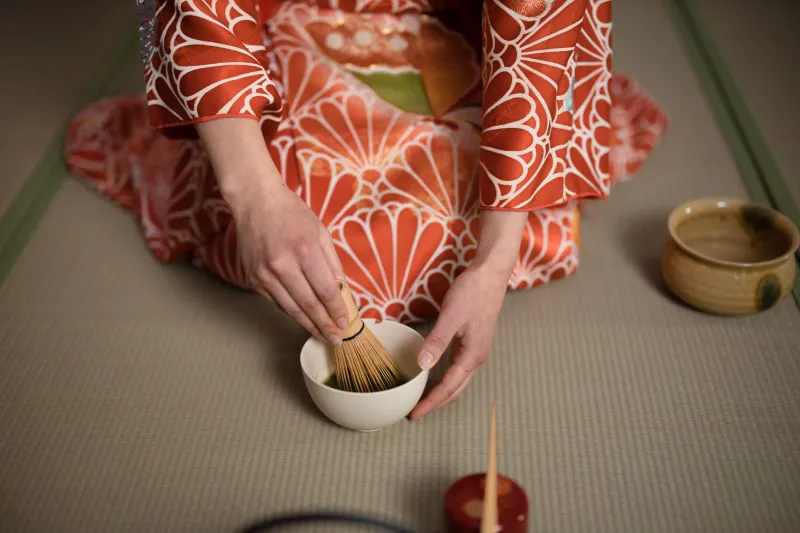
Across Silicon Valley boardrooms, a quiet revolution is unfolding—one measured not in quarterly earnings but in the precise folding of a silk cloth and the deliberate pour of heated water. High-achieving American executives are turning to the ancient philosophy of chanoyu, the Japanese tea ceremony, to rediscover what it means to lead with humility and intention. What they are finding challenges nearly every assumption the modern business world holds about authority.

Hands in the Grain: Why Young Americans Are Seeking Mastery in Traditional Japanese Craft

Hands in the Grain: Why Young Americans Are Seeking Mastery in Traditional Japanese Craft

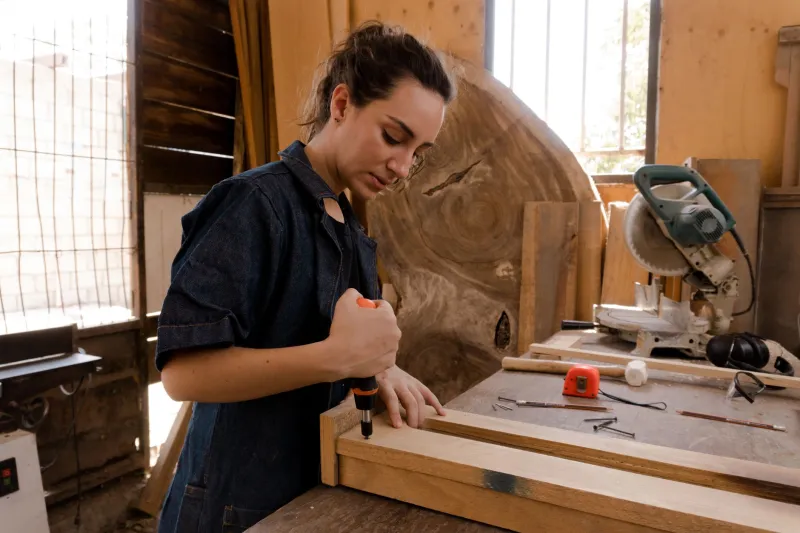
Across the United States, a generation raised on digital interfaces is turning to the slow, exacting world of traditional Japanese woodworking, washi papermaking, and textile dyeing — not as hobbyists, but as serious practitioners. Drawn by online communities, boutique workshops, and a hunger for tangible skill that algorithms cannot replicate, these young Americans are discovering that the disciplines of Japanese craft carry something unexpected: a rigorous path toward presence, patience, and s

Strike, Breathe, Belong: How Taiko Drumming Is Transforming Urban Wellness in America

Strike, Breathe, Belong: How Taiko Drumming Is Transforming Urban Wellness in America

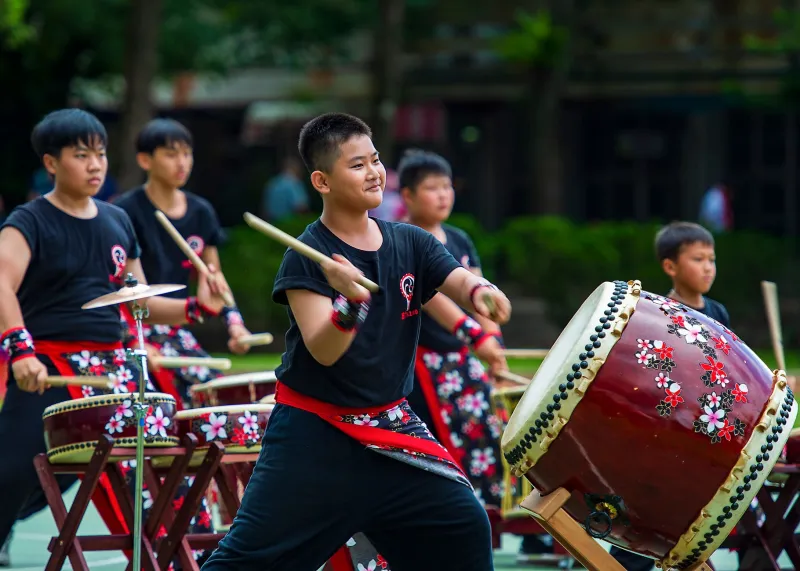
Across American cities, community taiko circles are drawing stressed professionals and trauma survivors into a practice that is equal parts ancient ritual and visceral healing. Far from a novelty, the art of Japanese ensemble drumming is carving out a serious place in the national wellness conversation. We explore why the thunder of the taiko may be precisely what modern bodies need.

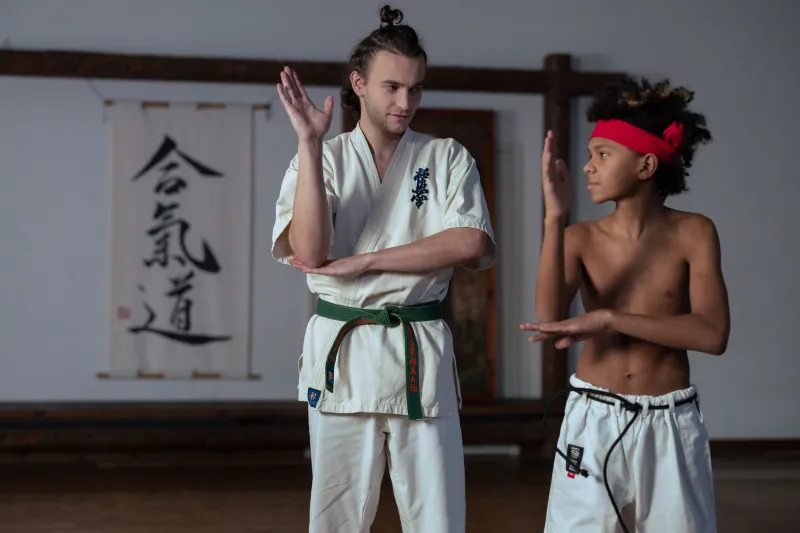
From the Dojo to the Boardroom: Ancient Warrior Disciplines Are Rewriting the Rules of Tech Leadership

From the Dojo to the Boardroom: Ancient Warrior Disciplines Are Rewriting the Rules of Tech Leadership

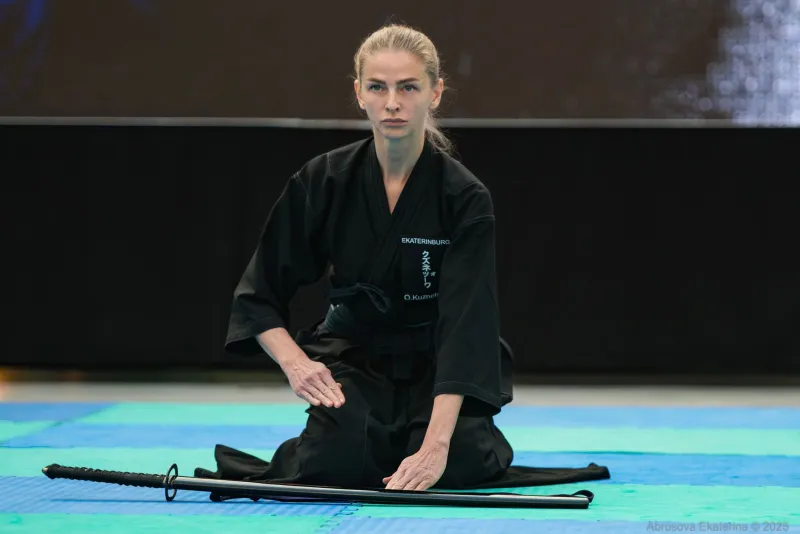
Inside the offices of some of America's most ambitious technology companies, a quiet philosophical revolution is underway. Executives and founders are increasingly turning to the principles of Japanese martial tradition — bushido's ethical architecture, the repetitive precision of kata, the stillness cultivated through Zen practice — to navigate the pressures of modern innovation culture. This is not a trend in corporate wellness programming. It is something considerably more serious.

The Arrow Does Not Lie: Kyudo's Emerging Role in American Mental Health Treatment

The Arrow Does Not Lie: Kyudo's Emerging Role in American Mental Health Treatment

Long before archery became an Olympic sport, Japanese practitioners understood the bow as an instrument of self-inquiry rather than mere competition. Today, a small but growing cohort of American therapists, veterans' advocates, and mental health professionals are discovering what those practitioners knew: that the disciplined ritual of kyudo — Japanese archery — holds remarkable therapeutic potential for those navigating anxiety, trauma, and emotional dysregulation.